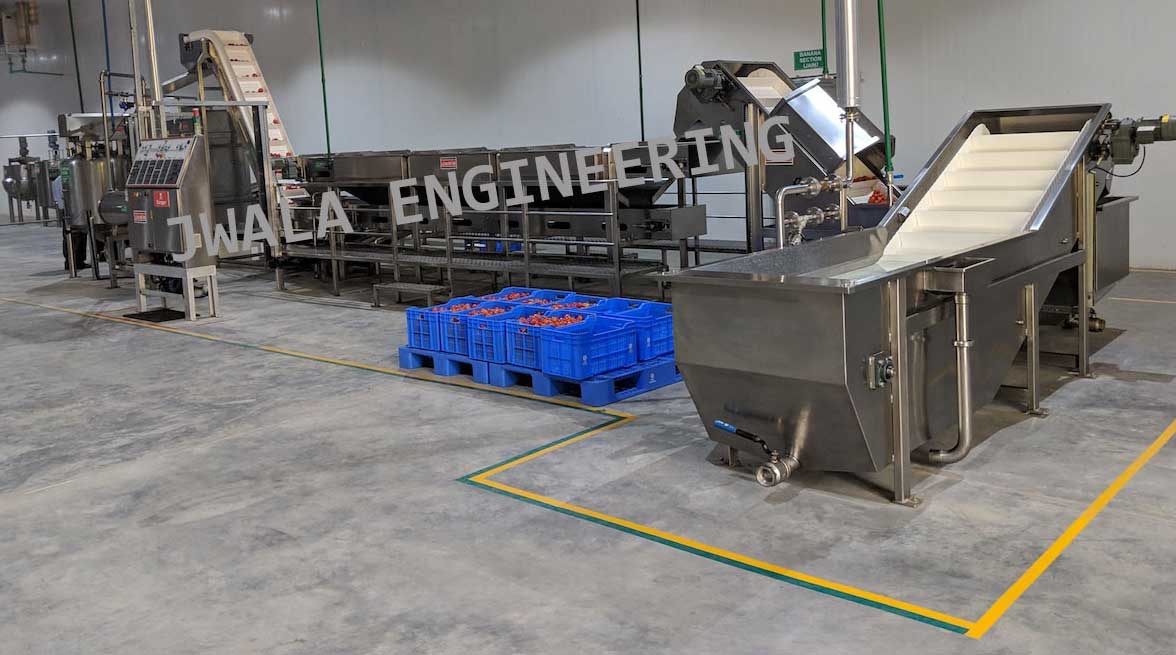
Tomatoes are widely used in a variety of cuisines like Italian pasta, Indian curries, Mexican
salsa, and more. Regardless of whether you consider a tomato a fruit or a vegetable, it
begins to rot pretty quickly. That's where Tomato Processing Plants come in use.
These industrial units are designed to carry out several processes, turning raw and
perishable tomatoes into durable and savoury products such as canned tomatoes, ketchup,
paste, or puree. These products last for months or even years, preserving their original
taste. These processing plants not only minimize harvest waste but also encourage potential
business ventures for emerging entrepreneurs. This blog post will guide you through the
differences between tomato paste, puree, and ketchup, as well as the benefits of tomato
processing plants.
Now let's dive into the benefits of tomato processing plants in the modern world -
- Automated tasks - Advanced processing plants carry out tasks like washing,
sorting,
peeling, processing, and more, reducing manual labour costs while improving productivity
and speed.
- Value-added products - Tomato processing plants turn tomatoes into value-added
products
like canned tomatoes, paste, puree, ketchup, and so on that offer better shelf life and
enhance taste.
- Income generation - Many farmers and marketers can generate better income through
these
finished, processed goods by preserving the fragile tomatoes. It not only opens up
opportunities for entrepreneurs but also offers better pay and a better life to the
diligent farmers who put their heart and soul into their work.
- Post-harvest loss - Transforming these short-lived tomatoes into long-lasting
products
helps prevent post-harvest loss that often happens, especially during peak harvest
season. It also ensures that farmers'' prolonged efforts yield beneficial results for
them.
- Year-round demands - Unlike freshly harvested tomatoes that are prone to
spoilage, these
processed food items meet the high demands of the consumers by lasting for periods of
time.
In essence, tomato processing plants ensure that the efforts of the farmers bear no fruit.
These industrial units transform short-lived tomatoes into durable, appetizing products. It
also offers better pay to the farmers and gives rise to employment.